Yi-Chun (Josh) Wang
Glass · Ceramics · Sculpture
“I work with glass and ceramics as both material and narrative mediums, exploring instability, hybridity, material behaviour, and the relationship between body, object, and space.”
Profile
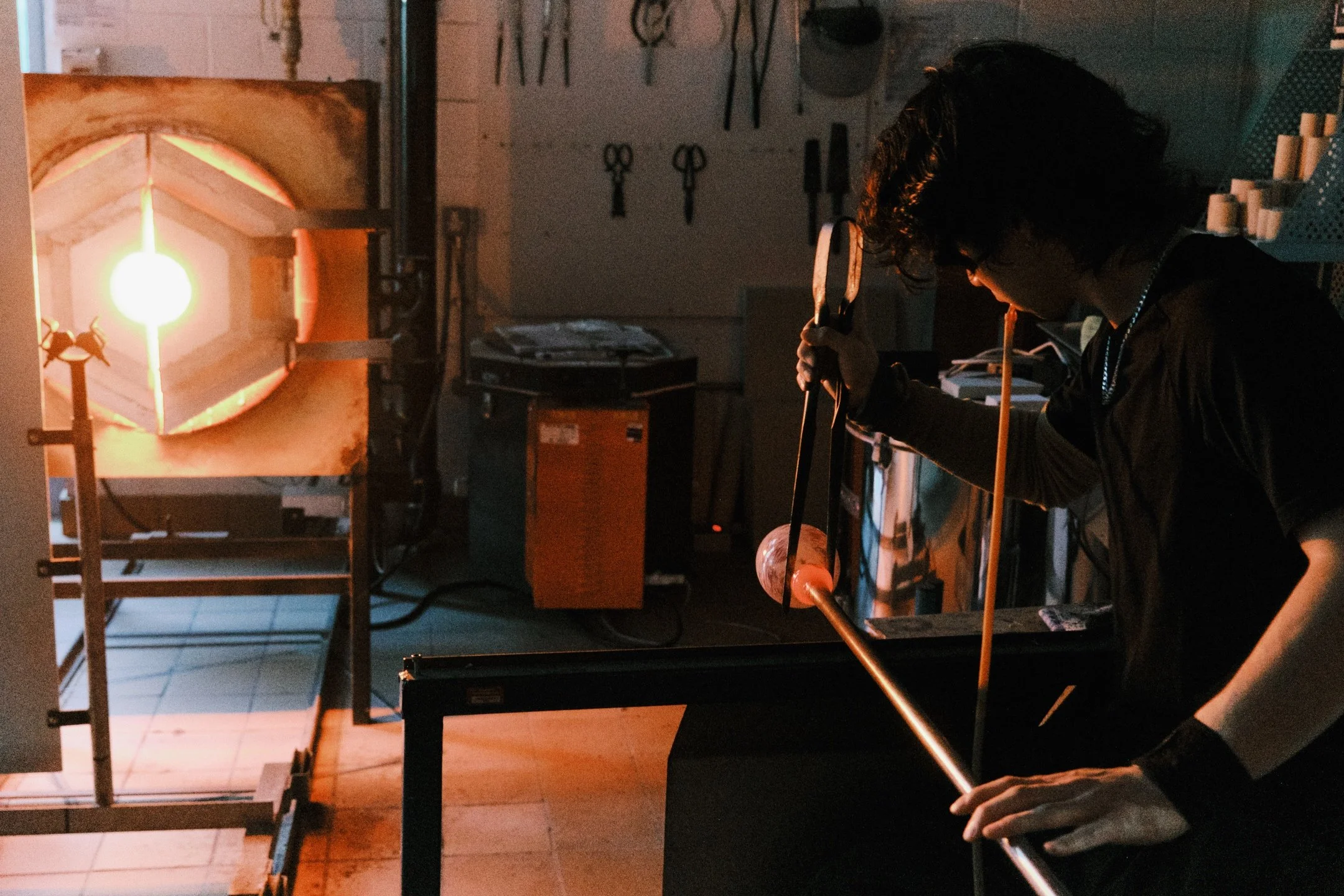
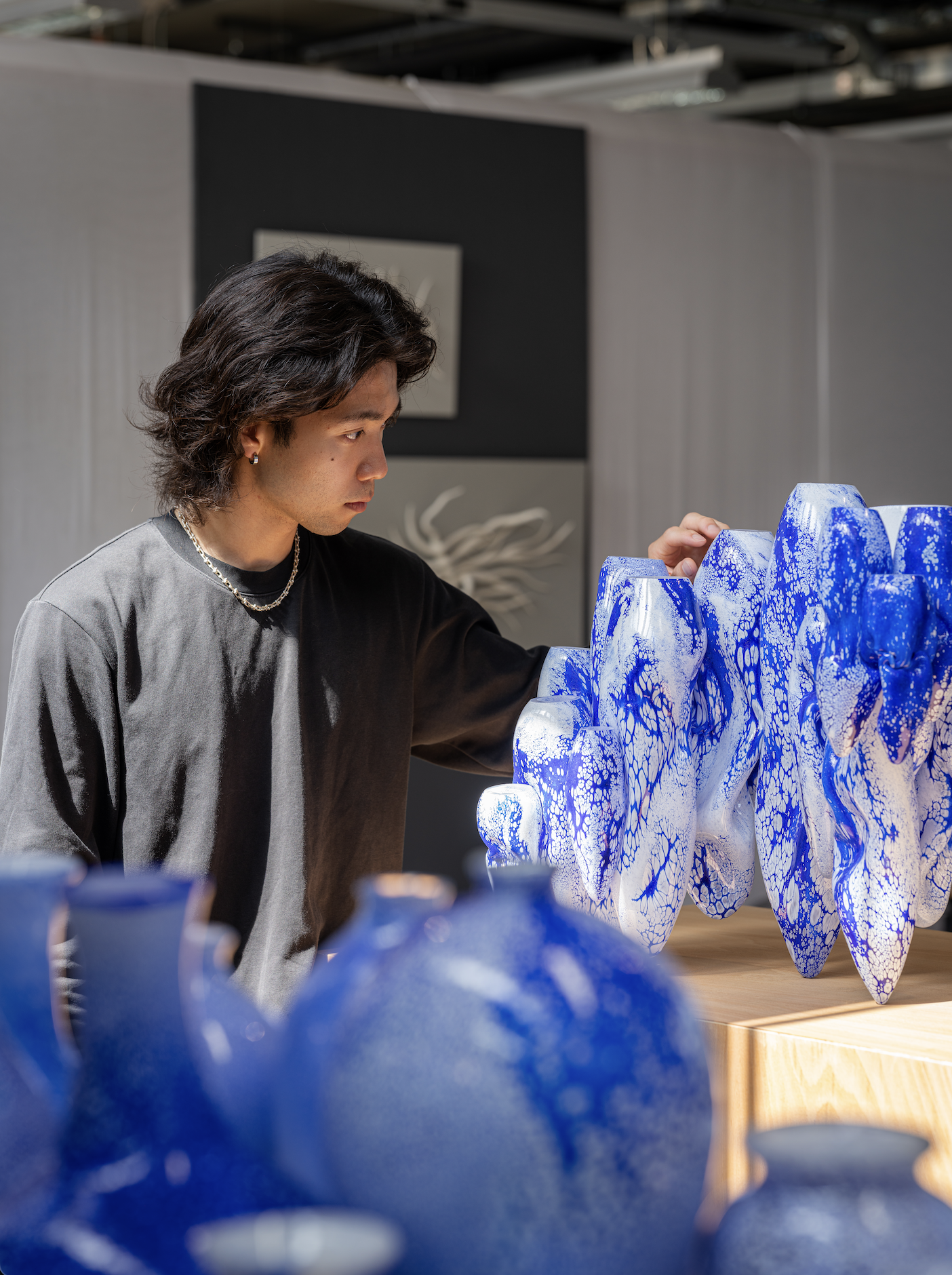
Yi Chun (Josh) Wang (b. 2001, Taiwan) is a Taiwanese artist whose practice centres on blown glass and sculptural installation. His work explores themes of identity, belonging, and transformation, considering how materials can reflect the ways people, cultures, and histories continually shape one another. Through an experimental approach to making, Wang investigates the relationship between material behaviour and human experience, creating works that exist between object, process, and environment. He recently completed an MA in Ceramics & Glass at the Royal College of Art, London.
Education
2024 Tsing Hua University, Art and Design, Bachelor of fine art (B.F.A)
2026 Royal College of Art, Ceramics and Glass, Master of Art (M.A)
Exhibitions
2025, Stanislav Libenský Award, Prague, Czechia
2024, Hsinchu City Glass Art Festival, Hsinchu, Taiwan
2024, International Competition MilanoVetro -35. IV Edition, Milan, Italy
2024, Light, Glass & Shadow, International Glass Exhibition, Hsinchu, Taiwan
2023, Contemporary International Glass Art Exhibition Hsinchu, Hsinchu, Taiwan
2023, Tracing - Yi-Chun Wang Solo Exhibition, Taichung, Taiwan
Awards
2026 Jaguar Awards - Shortlisted
2025 Stanislav Libenský Award
2024 International Competition MilanoVetro -35. IV Edition
2023 TCOD Taichung Original Award
2022 3rd FRANZ Rising Star Project Scholarship
Projects
-
![Blown glass, photographic installation, bodily performance, long-exposure imaging]()
Fields of Residue
|2026
|Blown glass, photographic installation, bodily performance, long-exposure imaging -
![]()
Geologies of Identity
|2025
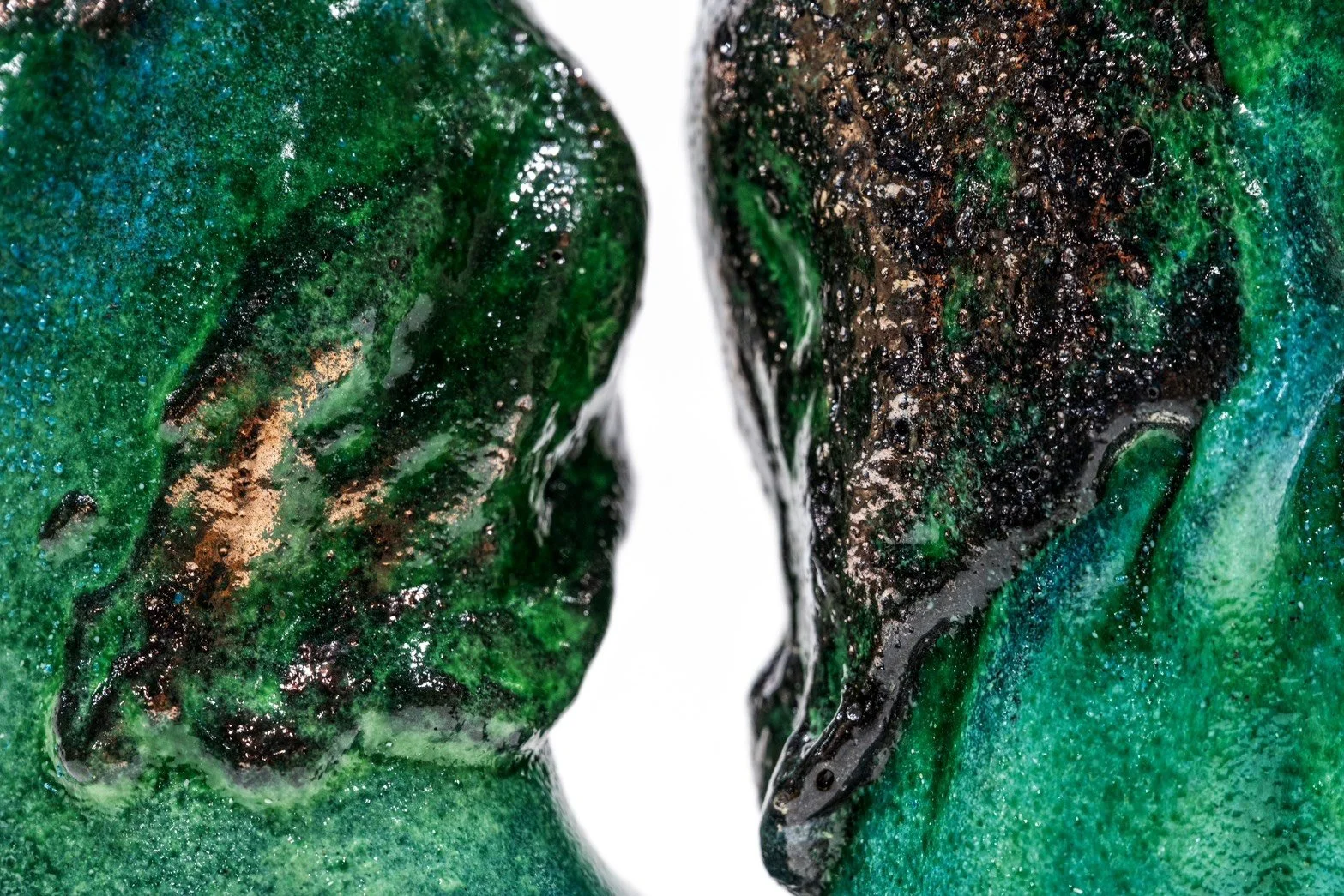
|Blown Glass, Minerals
|Glass Blowing -
![]()
Capturing Air, Constructing Space
|2025
|Blown Glass
|Glass Blowing -
![An image of The Float House]()
Soft Ruptures Series
|2026
|Blown Glass, Metal Oxides, Cold Enamel
|Glass Blowing, Fusing, Engraving -
![]()
Becoming in Blue
|2026
|Blown Glass, Metal Oxides
|Glass Blowing, Engraving
Explore
Fields of Residue
2026
Blown glass, photographic installation, bodily performance, long-exposure imaging.
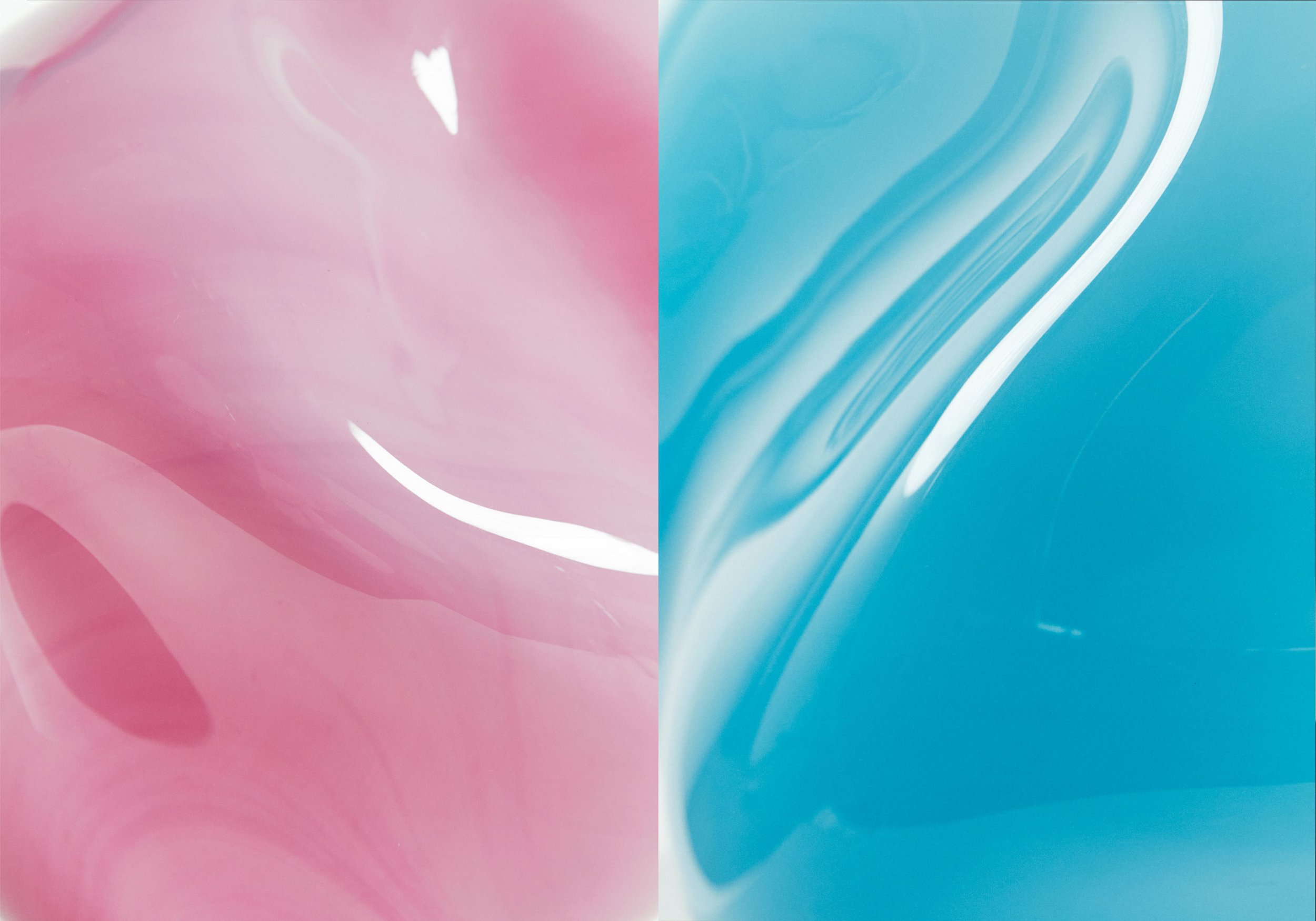
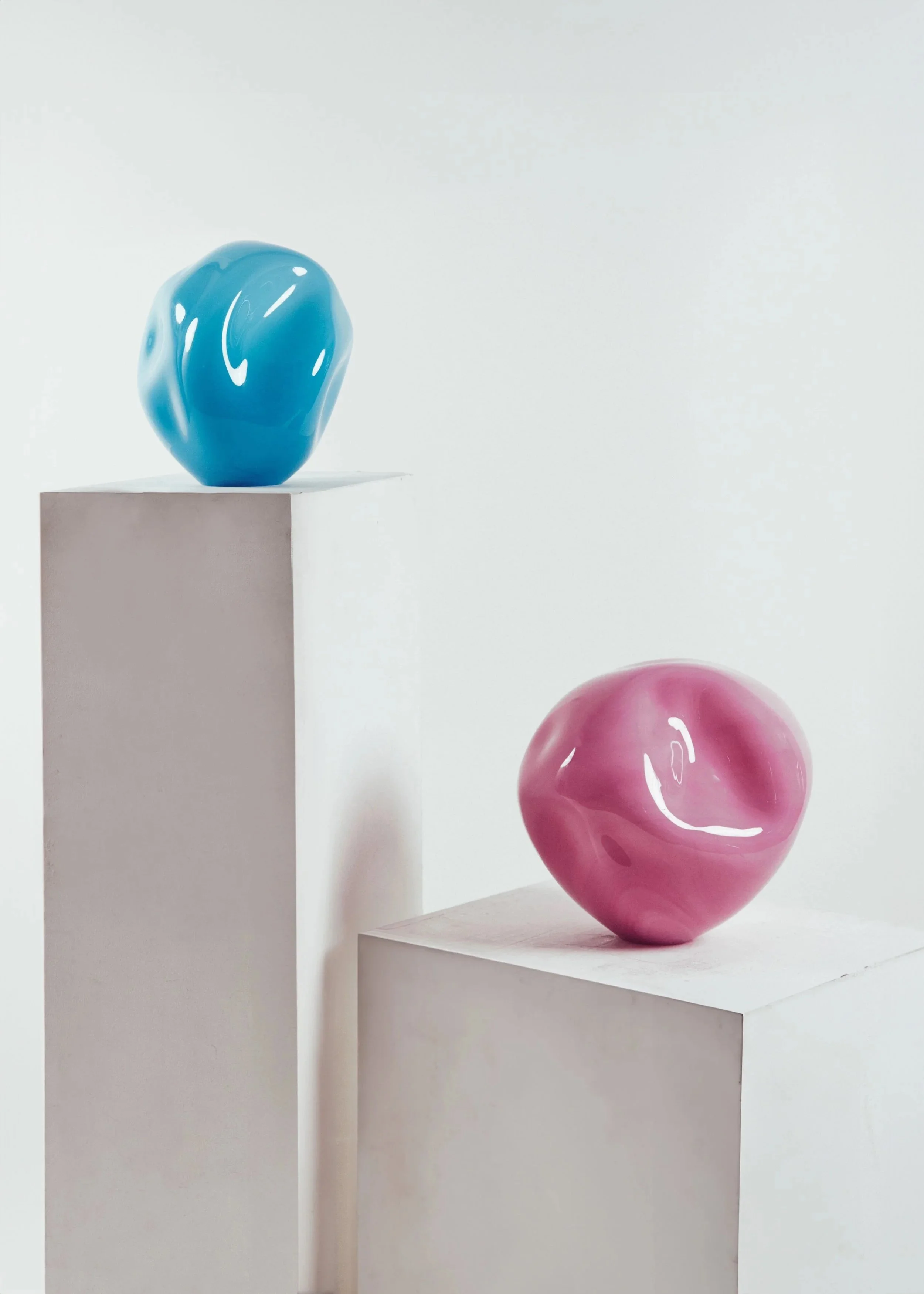
The project centres around two blown glass forms whose unstable surfaces are shaped through inflation, gravity, heat, collapse, and continuous manipulation. Rather than functioning as static sculptural objects, the forms operate as relational surfaces that invite touch, balance, attachment, resistance, and adaptation. Through bodily interaction, the work explores how bodies search for temporary moments of alignment between themselves, objects, and space.
Close-up photographic images capturing skin pressed against the glass surfaces further blur the boundaries between body and object. Touch, pressure, and proximity leave temporary traces, transforming the glass into a site of intimacy, tension, and bodily residue.
Long-exposure photography plays a central role within the work. Rather than serving as documentation, it compresses movement, hesitation, duration, and spatial negotiation into luminous traces of light and motion. These accumulated paths generate temporary behavioural sculptures.
Through this practice, the work moves beyond the idea of sculpture as a fixed object, proposing instead an evolving relational system shaped through contact, traces, coexistence, and behavioural mapping. Meaning emerges through continuous negotiation rather than resolution, allowing the work to exist as an ever-shifting field of bodily, spatial, and temporal relationships.
Explore
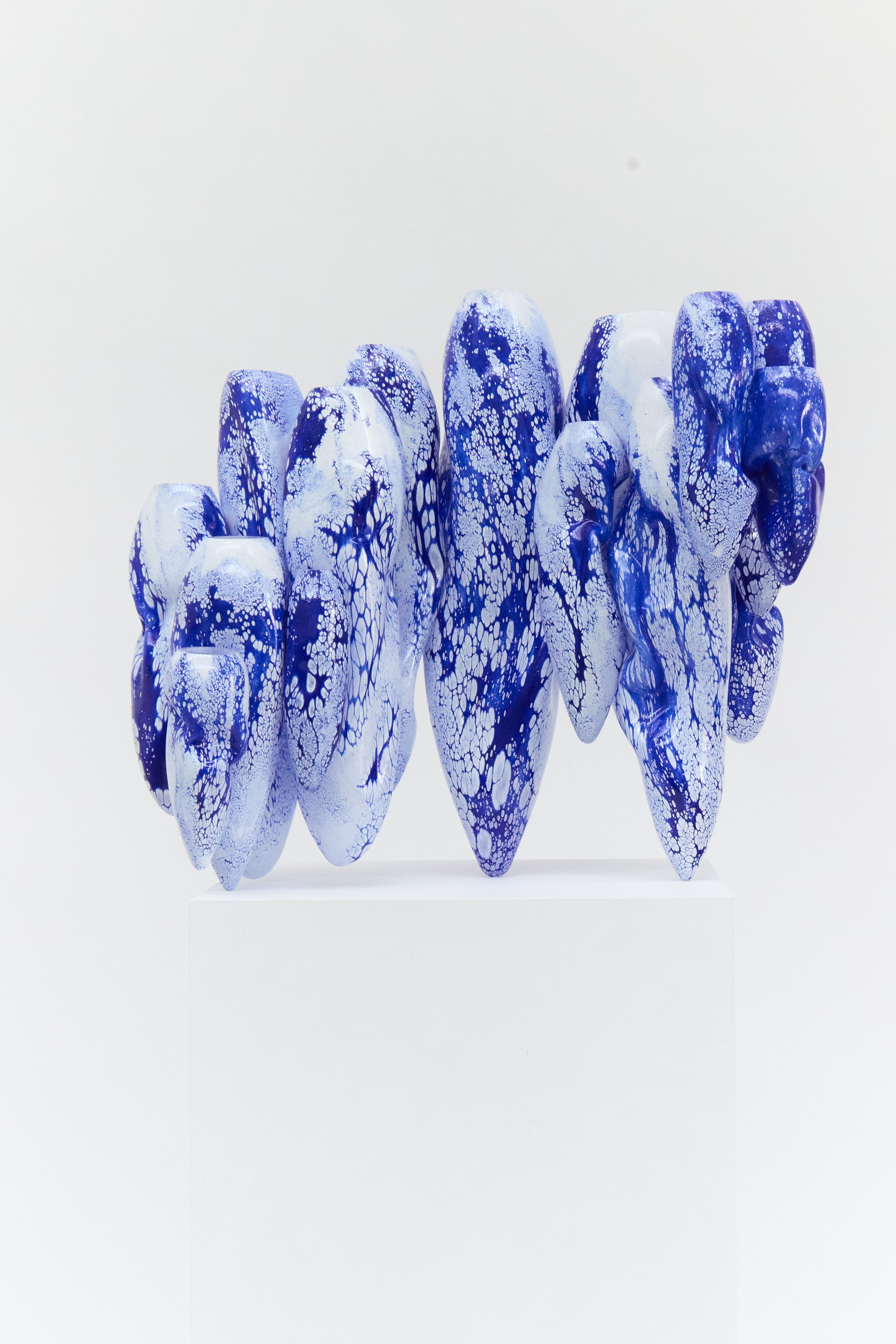
Becoming in Blue I: Collective Forms
2026
23-part installation
Blown glass, metal oxides
Glassblowing, coldworking
Overall installation approximately. H 36 × W 44 × D 96 cm
Unique
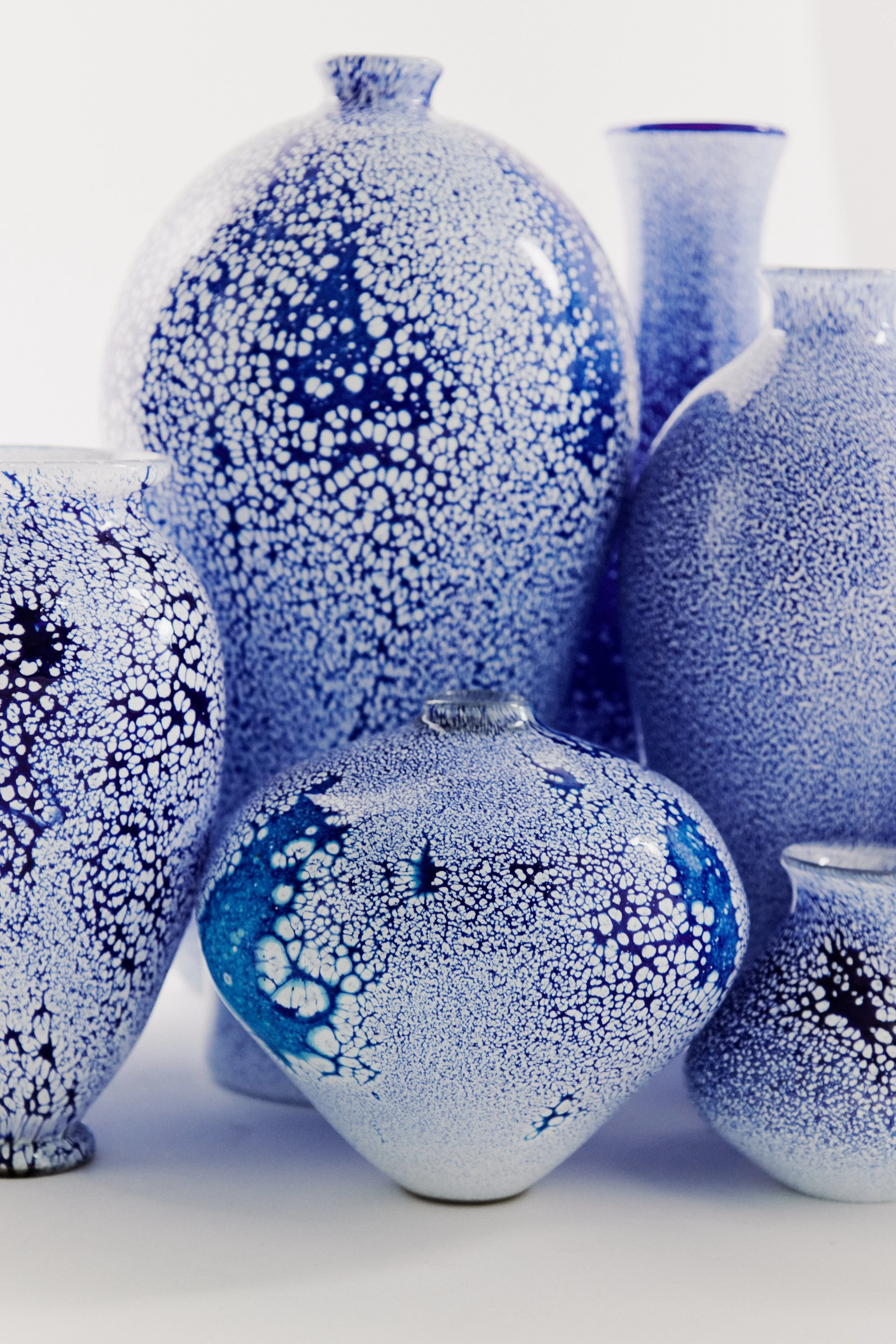
Becoming in Blue I: Collective Forms begins with the familiar visual language of blue-and-white porcelain, using traditional vessel silhouettes as a starting point to question how cultural meaning is carried through material, form, and surface.
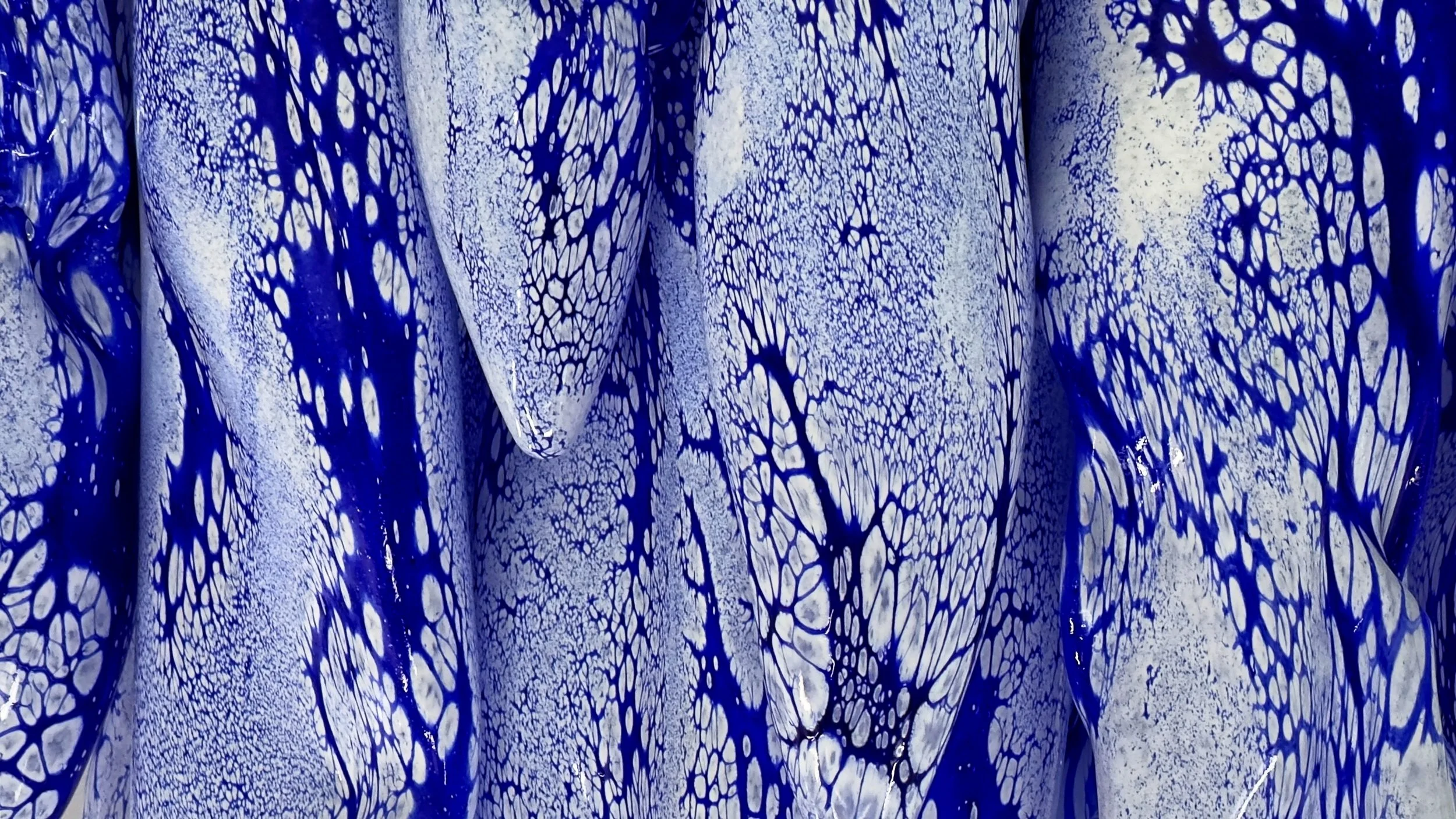
In the work, porcelain is translated into blown glass, while the figurative and symbolic patterns traditionally found on blue-and-white ceramics are reduced into abstract blue-and-white visual gestures. The vessels therefore remain immediately recognisable, yet their material qualities, surface language, and physical presence have been fundamentally altered.
This transformation raises a central question within the work: if an object looks familiar but is materially and visually different, does it still carry the same cultural value and meaning?
The installation brings together multiple hand-blown vessels that share a related colour language while differing in scale, proportion, and form. From a distance, the repeated blue-and-white surfaces and closely arranged silhouettes allow the vessels to merge into a collective image. At closer range, individual differences become more visible.
Rather than reproducing blue-and-white porcelain, the work uses familiarity as a point of tension. Each vessel exists between recognition and estrangement, tradition and reinterpretation, individuality and collective identity. As the first work in the Becoming in Blue series, Collective Forms establishes this process of translation as a starting point for considering how identity and cultural value may shift when familiar forms are placed into new material and visual conditions.
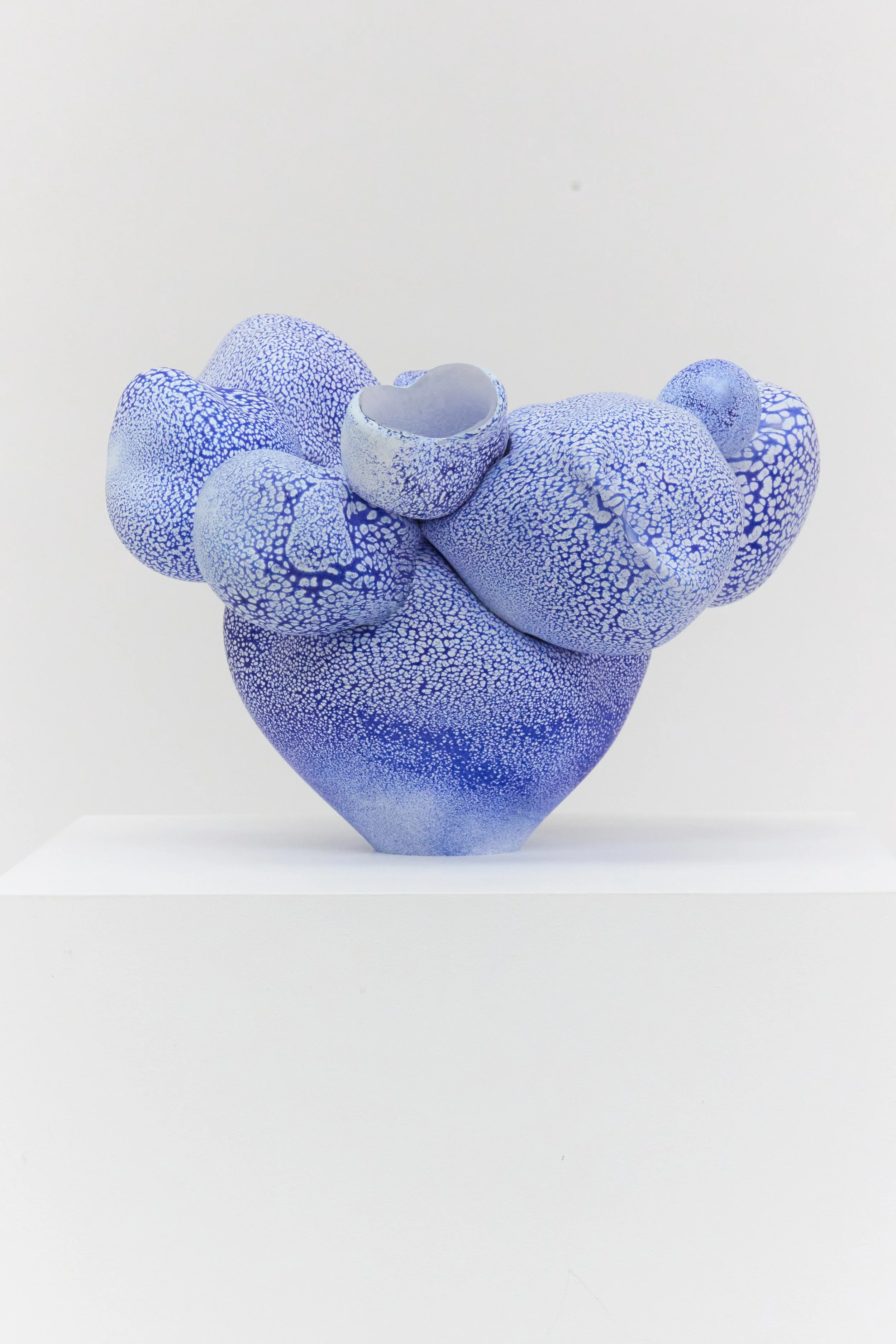
Becoming in Blue II: Transformation
2026
Blown glass, metal oxides
Glassblowing, hot assembly, coldworking
H 26 × W 29 × D 34 cm
Unique
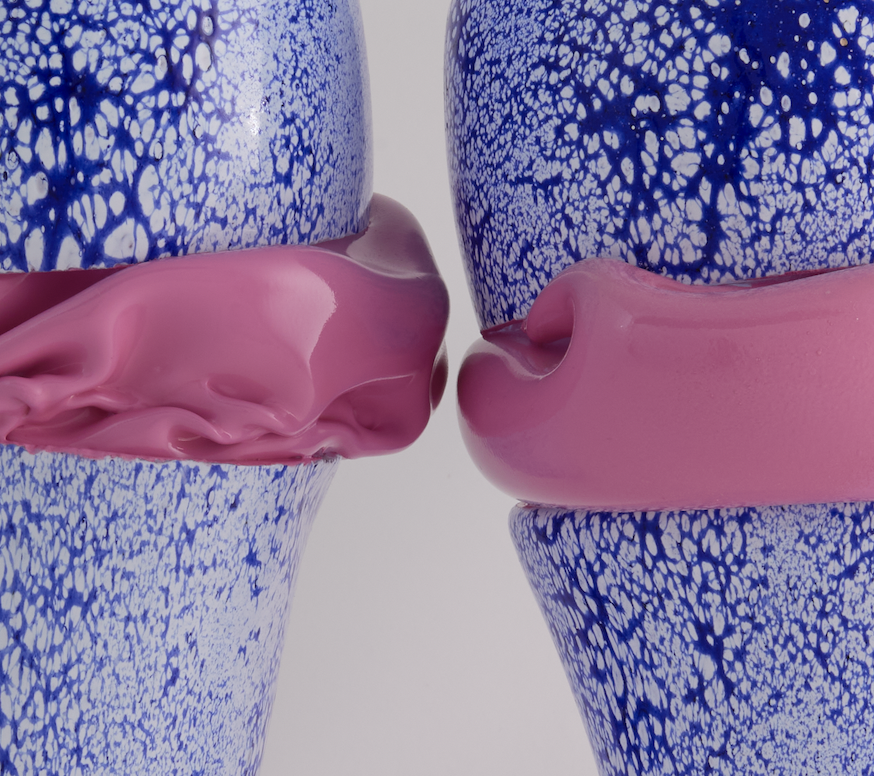
In Transformation, glass elements were repeatedly heated, expanded, collapsed, cooled, and reheated, allowing the material to continuously redefine its own form. Rather than controlling every outcome, I established conditions in which transformation could emerge through a negotiation between intention and the physical behaviour of glass.
Heat, gravity, pressure, and breath became active collaborators in the making process. Form was not predetermined, but developed through continuous interaction with the material, reflecting what Tim Ingold describes as a process of correspondence, in which making emerges through ongoing engagement between maker and material.
Transformation is therefore understood not as a movement from one fixed form to another, but as an ongoing state of becoming.
Becoming in Blue III: Negotiation
2026
Blown glass, metal oxides, adhesive
Glassblowing, coldworking, adhesive bonding
H 48 × W 31 × D 53 cm
Unique
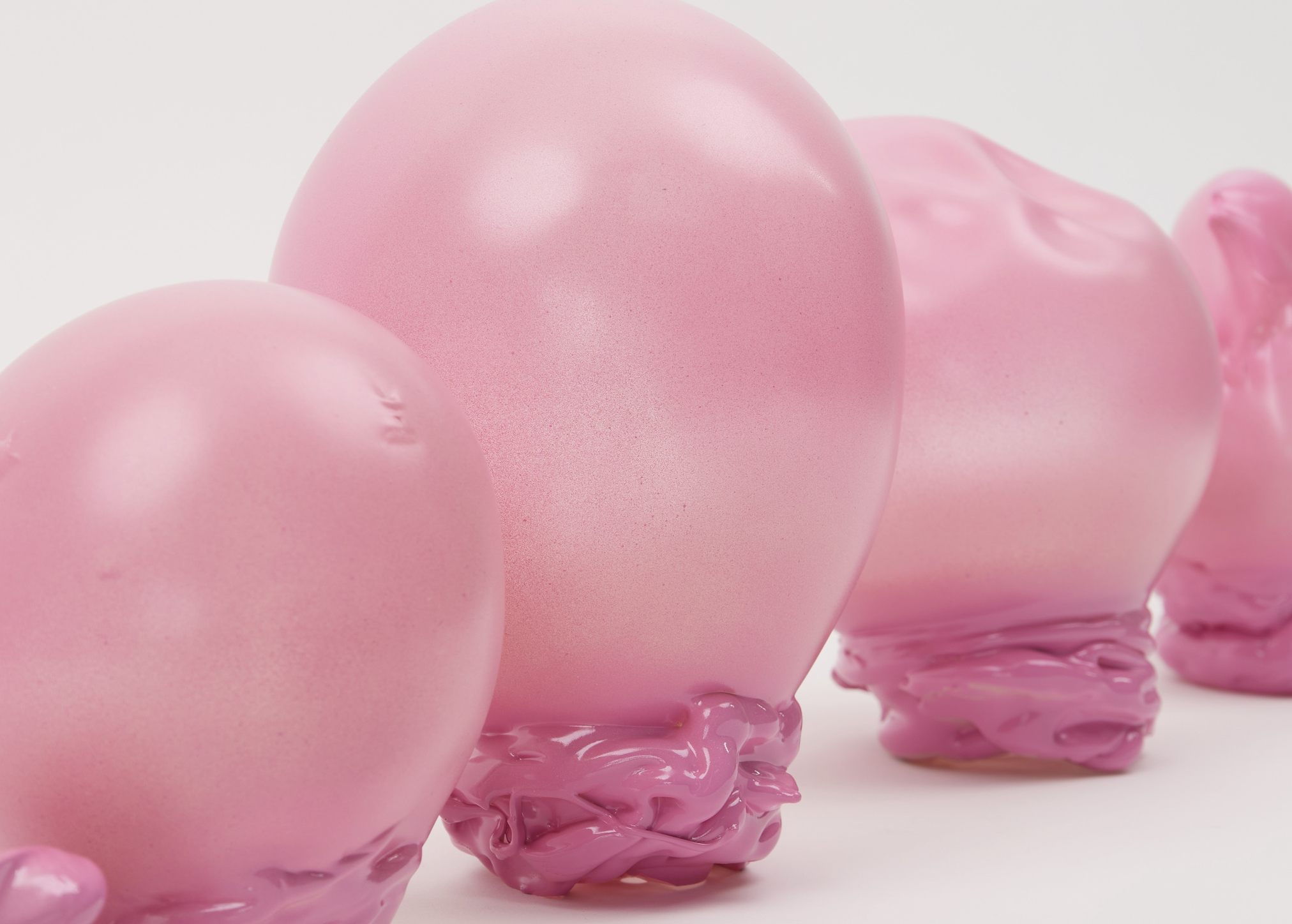
In Negotiation, each glass element begins from a similar blown form before being reheated and softened. Through gravity and three repeated cycles of breath, the forms collapse, expand, and shift. Although they share the same starting point and making process, each develops into an individual form that cannot be exactly reproduced.
These elements are then assembled through a sculptural system governed by three structural rules rather than a predetermined composition. Each connection requires a minimum of three points of contact, allowing stability to emerge through mutual support. Every opening faces upward, maintaining a connection to the language of the vessel while positioning the work between vessel and sculpture. The entire structure balances on three points, creating an appearance of fragility despite its physical stability.
As each element is introduced, its position must respond to the weight, orientation, and limitations of the forms already present. The composition therefore develops through continuous adjustment rather than following a fixed design. Relationships between individual elements are formed, altered, and renegotiated throughout the making process.
The title Negotiation refers both to this physical process and to my broader understanding of identity. Each component retains its recognisable form, yet its position, stability, and visual identity are shaped by its relationship with the surrounding elements. Moving between individuality and collectivity, stability and instability, independence and interdependence, the work considers how identity can remain distinct while being continually reshaped through coexistence, adaptation, and mutual dependence.
Looking Forward
As a Taiwanese artist, I see cultural heritage not as something fixed in the past, but as something that continues to evolve through dialogue, exchange, and reinterpretation. Through my practice, I hope to contribute to the growing international conversation surrounding contemporary glass while sharing perspectives shaped by Taiwan’s unique cultural landscape. Moving forward, I aim to further expand the possibilities of glass as a medium for connection, storytelling, and cross-cultural understanding.
About
Locations
New York
London
Taiwan